Hello, Xin chΓ o, Bonjour!
I’m so glad you're here.

I'm

πŸ‡ΊπŸ‡Έ

Mình là

πŸ‡»πŸ‡³

Je suis

πŸ‡¨πŸ‡¦

I'm

Trí [triː]

Purpose-driven Brand & Product

Designer

I'm

πŸ‡ΊπŸ‡Έ

Mình là

πŸ‡»πŸ‡³

Je suis

πŸ‡¨πŸ‡¦

I'm

Trí [triː]

Purpose-driven Brand & Product

Designer

I'm

πŸ‡ΊπŸ‡Έ

Mình là

πŸ‡»πŸ‡³

Je suis

πŸ‡¨πŸ‡¦

I'm

Trí [triː]

Purpose-driven Brand & Product

Designer

Most recent work

From Chaos to Calm: Family Management with FutureMoney

Case Study

Research

This case study explores the design process behind FutureMoney's innovative "Vault," where we were tasked with creating a new file management experience for securely storing family documents.

Passports

Insurance

SSN

Wills & Trusts

IDs

How Emilia saves for her son’s Future

Future Money

3h

9:41

Passports

Insurance

SSN

Wills & Trusts

IDs

How Emilia saves for her son’s Future

Future Money

3h

9:41

Passports

Insurance

SSN

Wills & Trusts

IDs

How Emilia saves for her son’s Future

Future Money

3h

9:41

My Works

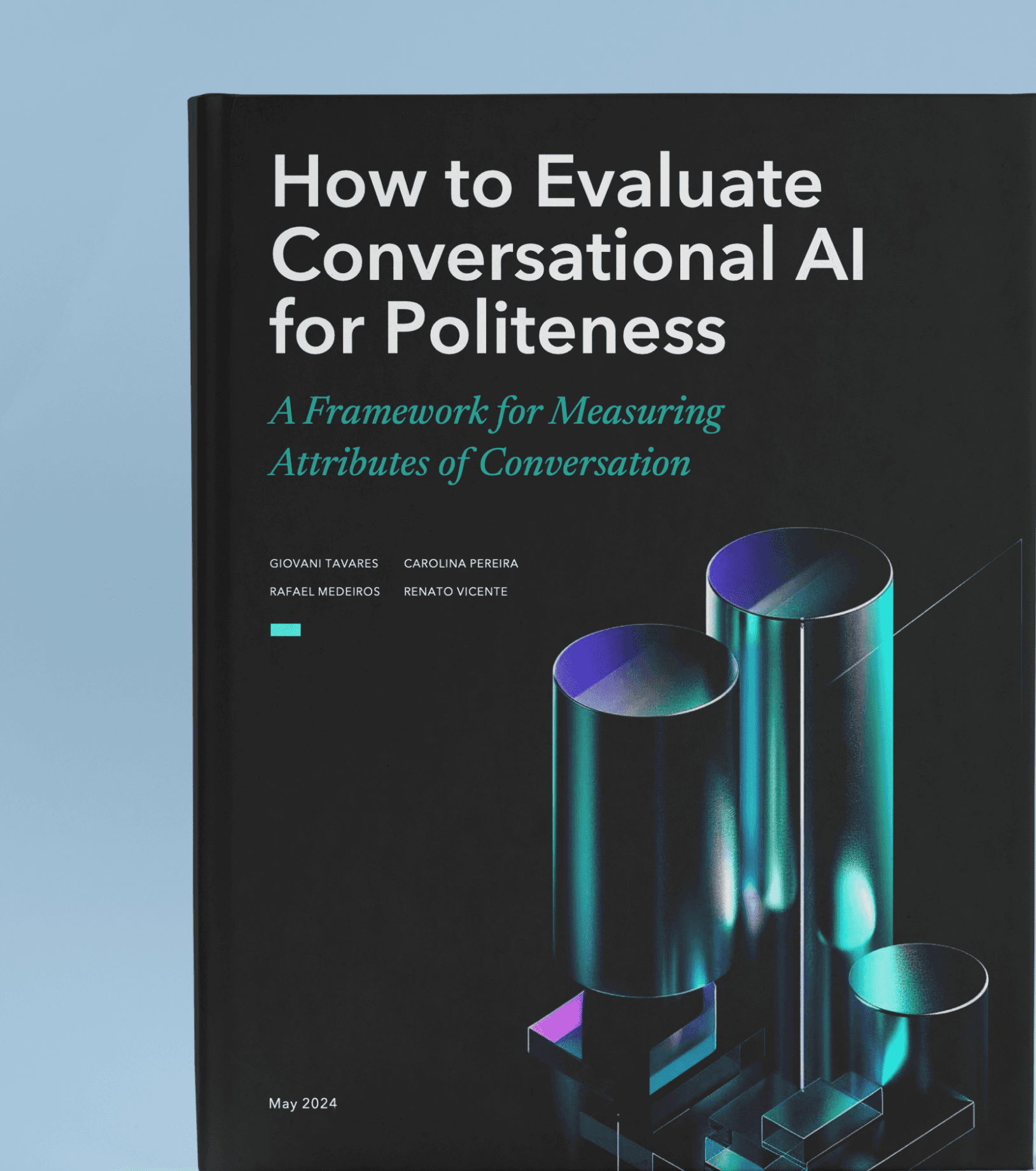
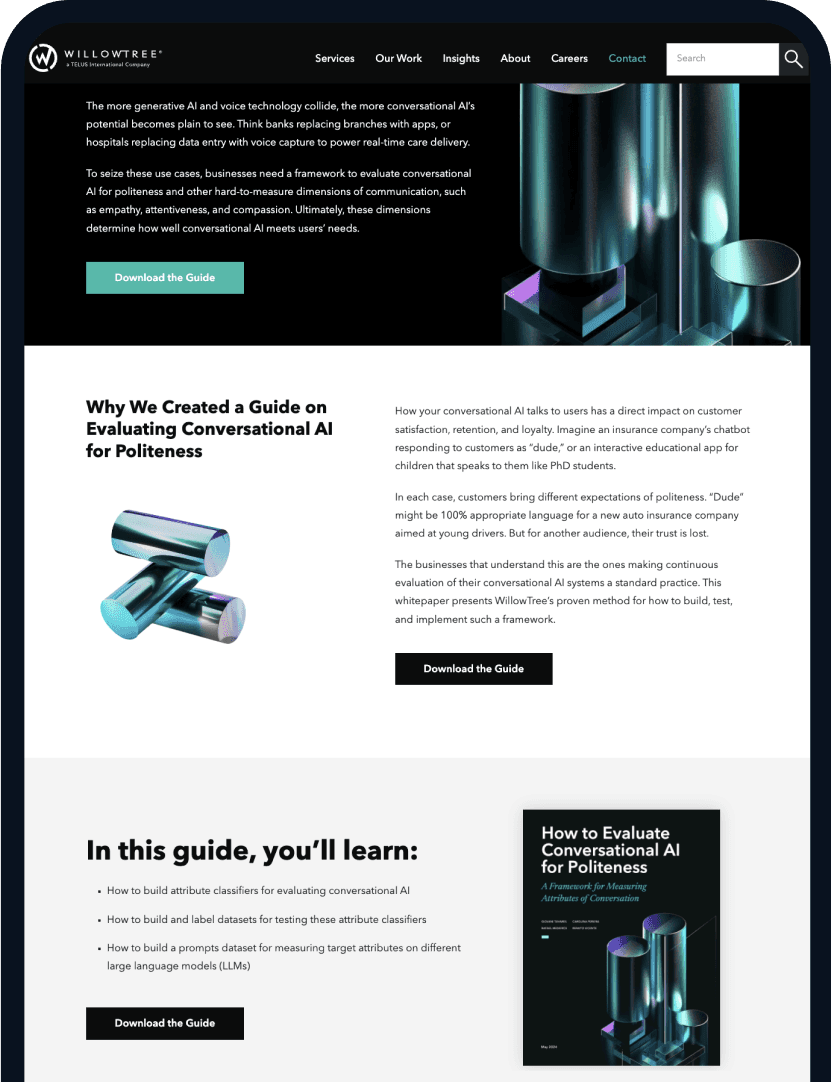
Print & Landing Page Creatives for WillowTree Publications

Web

Print

Web

Print

Online Learning Experience for Offline Communities

Case Study

Research

Classrooms Solution

Wikipedia

Digital divide

Bookmarked

The digital divide is the unequal access to digital technology, including smartphones, tablets, laptops, and the internet.[1][2] The digital divide worsens inequality around access to information and resources. In the Information Age, people without access to the Internet and other technology are at a disadvantage, for they are unable or less able to connect with others, find and apply for jobs, shop, and learn.[1][3]


People who are homeless, living in poverty, elderly people, and those living in rural communities may have limited access to the Internet; in contrast, urban middle class and upper-class people have easy access to the Internet. Another divide is between producers and consumers of Internet content,[4][5] which could be a result of educational disparities.[6] While social media use varies across age groups, a US 2010 study reported no racial divide.[7]


History


The historical roots of the digital divide in America refer to the increasing gap that occurred during the early modern period between those who could and could not access the real-time forms of calculation, decision-making, and visualization offered via written and printed media.[8] Within this context, ethical discussions regarding the relationship between education and the free distribution of information were raised by thinkers such as Mary WollstonecraftImmanuel Kant and Jean Jacques Rousseau (1712–1778). The latter advocated that governments should intervene to ensure that any society's economic benefits should be fairly and meaningfully distributed. Amid the Industrial Revolution in Great Britain, Rousseau's idea helped to justify poor laws that created a safety net for those who were harmed by new forms of production. Later when telegraph and postal systems evolved, many used Rousseau's ideas to argue for full access to those services, even if it meant subsidizing hard-to-serve citizens. Thus, "universal services"[9] referred to innovations in regulation and taxation that would allow phone services such as AT&T in the United States serve hard to serve rural users. In 1996, as telecommunications companies merged with Internet companies, the Federal Communications Commission adopted Telecommunications Services Act of 1996 to consider regulatory strategies and taxation policies to close the digital divide. Though the term "digital divide" was coined among consumer groups that sought to tax and regulate information and communications technology (ICeT) companies to close the digital divide, the topic soon moved onto a global stage. The focus was the World Trade Organization which passed a Telecommunications Services Act, which resisted regulation of ICT companies so that they would be required to serve hard to serve individuals and communities. In 1999, in an effort to assuage anti-globalization forces, the WTO hosted the "Financial Solutions to Digital Divide" in Seattle, US, co-organized by Craig Warren Smith of Digital Divide Institute and Bill Gates Sr. the chairman of the Bill and Melinda Gates Foundation. It catalyzed a full-scale global movement to close the digital divide, which quickly spread to all sectors of the global economy.[10] In 2000, US president Bill Clinton mentioned the term in the State of the Union Address.

Classrooms Solution

Wikipedia

Digital divide

Bookmarked

The digital divide is the unequal access to digital technology, including smartphones, tablets, laptops, and the internet.[1][2] The digital divide worsens inequality around access to information and resources. In the Information Age, people without access to the Internet and other technology are at a disadvantage, for they are unable or less able to connect with others, find and apply for jobs, shop, and learn.[1][3]


People who are homeless, living in poverty, elderly people, and those living in rural communities may have limited access to the Internet; in contrast, urban middle class and upper-class people have easy access to the Internet. Another divide is between producers and consumers of Internet content,[4][5] which could be a result of educational disparities.[6] While social media use varies across age groups, a US 2010 study reported no racial divide.[7]


History


The historical roots of the digital divide in America refer to the increasing gap that occurred during the early modern period between those who could and could not access the real-time forms of calculation, decision-making, and visualization offered via written and printed media.[8] Within this context, ethical discussions regarding the relationship between education and the free distribution of information were raised by thinkers such as Mary WollstonecraftImmanuel Kant and Jean Jacques Rousseau (1712–1778). The latter advocated that governments should intervene to ensure that any society's economic benefits should be fairly and meaningfully distributed. Amid the Industrial Revolution in Great Britain, Rousseau's idea helped to justify poor laws that created a safety net for those who were harmed by new forms of production. Later when telegraph and postal systems evolved, many used Rousseau's ideas to argue for full access to those services, even if it meant subsidizing hard-to-serve citizens. Thus, "universal services"[9] referred to innovations in regulation and taxation that would allow phone services such as AT&T in the United States serve hard to serve rural users. In 1996, as telecommunications companies merged with Internet companies, the Federal Communications Commission adopted Telecommunications Services Act of 1996 to consider regulatory strategies and taxation policies to close the digital divide. Though the term "digital divide" was coined among consumer groups that sought to tax and regulate information and communications technology (ICeT) companies to close the digital divide, the topic soon moved onto a global stage. The focus was the World Trade Organization which passed a Telecommunications Services Act, which resisted regulation of ICT companies so that they would be required to serve hard to serve individuals and communities. In 1999, in an effort to assuage anti-globalization forces, the WTO hosted the "Financial Solutions to Digital Divide" in Seattle, US, co-organized by Craig Warren Smith of Digital Divide Institute and Bill Gates Sr. the chairman of the Bill and Melinda Gates Foundation. It catalyzed a full-scale global movement to close the digital divide, which quickly spread to all sectors of the global economy.[10] In 2000, US president Bill Clinton mentioned the term in the State of the Union Address.

My Works

Print & Landing Page Creatives for WillowTree Publications

Web

Print

Online Learning Experience for Offline Communities

Case Study

Research

Classrooms Solution

Wikipedia

Digital divide

Bookmarked

The digital divide is the unequal access to digital technology, including smartphones, tablets, laptops, and the internet.[1][2] The digital divide worsens inequality around access to information and resources. In the Information Age, people without access to the Internet and other technology are at a disadvantage, for they are unable or less able to connect with others, find and apply for jobs, shop, and learn.[1][3]


People who are homeless, living in poverty, elderly people, and those living in rural communities may have limited access to the Internet; in contrast, urban middle class and upper-class people have easy access to the Internet. Another divide is between producers and consumers of Internet content,[4][5] which could be a result of educational disparities.[6] While social media use varies across age groups, a US 2010 study reported no racial divide.[7]


History


The historical roots of the digital divide in America refer to the increasing gap that occurred during the early modern period between those who could and could not access the real-time forms of calculation, decision-making, and visualization offered via written and printed media.[8] Within this context, ethical discussions regarding the relationship between education and the free distribution of information were raised by thinkers such as Mary WollstonecraftImmanuel Kant and Jean Jacques Rousseau (1712–1778). The latter advocated that governments should intervene to ensure that any society's economic benefits should be fairly and meaningfully distributed. Amid the Industrial Revolution in Great Britain, Rousseau's idea helped to justify poor laws that created a safety net for those who were harmed by new forms of production. Later when telegraph and postal systems evolved, many used Rousseau's ideas to argue for full access to those services, even if it meant subsidizing hard-to-serve citizens. Thus, "universal services"[9] referred to innovations in regulation and taxation that would allow phone services such as AT&T in the United States serve hard to serve rural users. In 1996, as telecommunications companies merged with Internet companies, the Federal Communications Commission adopted Telecommunications Services Act of 1996 to consider regulatory strategies and taxation policies to close the digital divide. Though the term "digital divide" was coined among consumer groups that sought to tax and regulate information and communications technology (ICeT) companies to close the digital divide, the topic soon moved onto a global stage. The focus was the World Trade Organization which passed a Telecommunications Services Act, which resisted regulation of ICT companies so that they would be required to serve hard to serve individuals and communities. In 1999, in an effort to assuage anti-globalization forces, the WTO hosted the "Financial Solutions to Digital Divide" in Seattle, US, co-organized by Craig Warren Smith of Digital Divide Institute and Bill Gates Sr. the chairman of the Bill and Melinda Gates Foundation. It catalyzed a full-scale global movement to close the digital divide, which quickly spread to all sectors of the global economy.[10] In 2000, US president Bill Clinton mentioned the term in the State of the Union Address.

My Story

UI/UX Designer with 3 years experience crafting intuitive, accessible web solutions. Combine user-centered design principles with technical expertise in responsive development. Proven track record of enhancing accessibility and user experiences through research-driven, collaborative design processes.

I'm a good friend and an enthusiastic learner. I always root for the better self in everyone. I'm looking for teams who share my passion for user-centered design and a commitment to continuous growth. Feel free to reach out if you're interested in collaborating or want to chat about design!

Contact Me

Tell me more about your project.